Why Those Black Streaks on Your Roof Are More Than Just an Eyesore
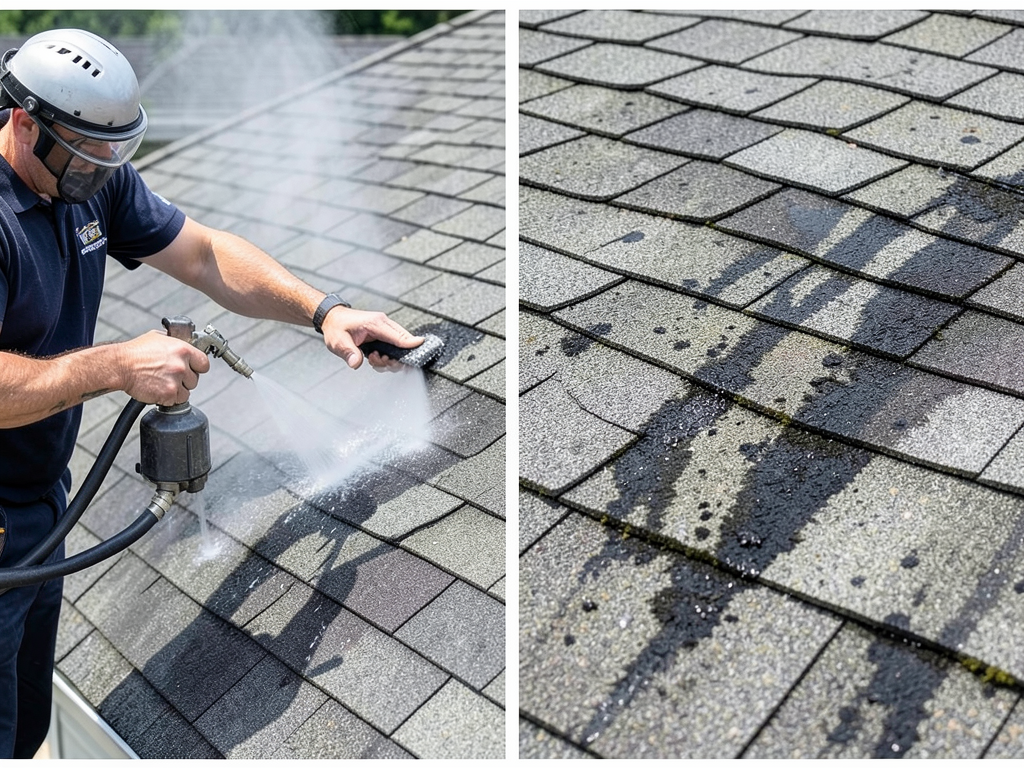
Those dark streaks running down your roof aren’t dirt or mold—they’re colonies of Gloeocapsa magma, a blue-green algae that thrives in Charlotte’s humid climate. This microscopic organism feeds on the limestone filler in asphalt shingles and can spread across your entire roof within months. What starts as a cosmetic issue quickly becomes a structural problem that reduces your roof’s lifespan and increases cooling costs. Asphalt Roofing Manufacturers Association.
The black streaks you see are actually a protective pigment the algae produces to shield itself from UV radiation. In Mecklenburg County’s climate, with summer humidity often exceeding 80%, these algae multiply rapidly on north-facing roof slopes where moisture lingers. Left untreated, they can reduce your roof’s reflective properties by up to 30%, forcing your air conditioning system to work harder during Charlotte’s scorching summers. Getting Your Charlotte Roof Repaired After a Hail Storm — A Local Guide to Insurance Claims.
Many homeowners in neighborhoods like Myers Park and Ballantyne mistake these streaks for simple weathering or assume a new roof is the only solution. The truth is, professional soft washing can restore your roof’s appearance and extend its life by 5-10 years without the cost and disruption of replacement. Why More Huntersville Homeowners Are Switching to Standing Seam Metal Roofs.
What Makes Charlotte Roofs So Vulnerable to Algae Growth
Charlotte’s unique climate creates perfect conditions for Gloeocapsa magma. The combination of high humidity, warm temperatures, and airborne spores from nearby trees allows algae to establish quickly on asphalt shingles. Many homes in the Queen City sit under mature oak and pine canopies that drop organic debris onto roofs, providing additional nutrients for algae colonies. The Best Shingles to Withstand the Charlotte Summer Heat and Humidity.
The algae problem is particularly severe in older Charlotte neighborhoods where roofs have reached the 10-15 year mark. At this age, the protective granules on asphalt shingles begin to wear thin, creating more surface area for algae to attach. Homes in areas like Dilworth and Elizabeth often show these streaks first because their mature tree canopy creates ideal shade conditions where moisture evaporates slowly.
Another factor unique to the Piedmont region is the seasonal pollen explosion from pine trees. This fine yellow dust settles on roofs and combines with morning dew to create a nutrient-rich film that algae love. When combined with Charlotte’s frequent afternoon thunderstorms, this creates a cycle where roofs rarely dry completely, accelerating algae growth.
The Science Behind Gloeocapsa Magma: What Those Streaks Really Are
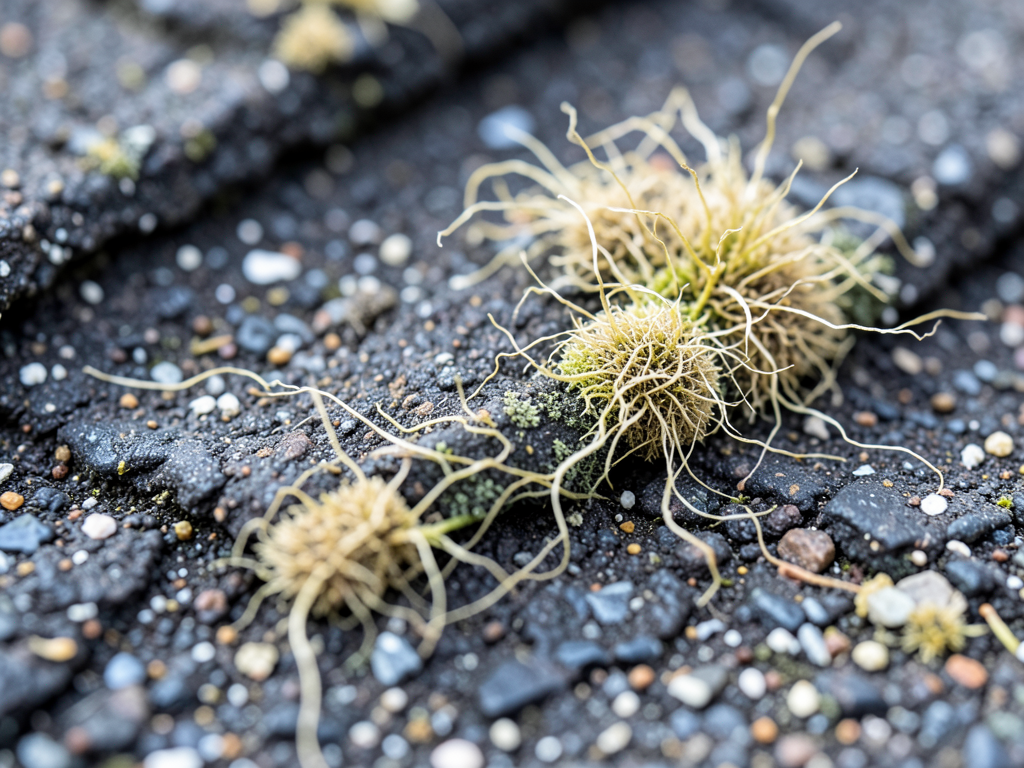
Gloeocapsa magma is a cyanobacteria that photosynthesizes like algae but behaves more like bacteria at the cellular level. These organisms form thread-like structures called filaments that grow together in colonies. The black color you see is actually a UV-protective pigment called scytonemin, which the algae produces when exposed to sunlight.
Under a microscope, these colonies appear as clusters of spherical cells encased in a gelatinous sheath. Each cell contains chlorophyll for photosynthesis, but they also feed on the calcium carbonate in limestone filler—a common component in asphalt shingles manufactured after the 1980s. This dual feeding strategy allows them to thrive even in nutrient-poor conditions.
The growth pattern you observe follows a predictable course. Algae spores land on your roof and remain dormant until moisture and warmth trigger germination. Within 30-60 days, visible dark spots appear. These spots then expand laterally as the colony grows, eventually merging into the characteristic black streaks that flow downward with rainwater. In Charlotte’s climate, a small colony can cover an entire roof plane within one growing season.
Why Soft Washing Beats Pressure Washing for Roof Cleaning
Many homeowners assume pressure washing is the fastest way to remove roof stains, but this approach can cause severe damage to asphalt shingles. High-pressure water (typically 1,500-3,000 PSI) can strip away the protective granules that give shingles their durability and UV resistance. The Asphalt Roofing Manufacturers Association (ARMA) specifically warns against using pressure washers on asphalt roofs, as it can void manufacturer warranties.
Soft washing uses specialized low-pressure equipment (around 40-80 PSI) combined with biodegradable cleaning solutions. The process involves applying a mixture containing sodium hypochlorite and surfactants that kill algae at the cellular level. This chemical reaction breaks down the algae’s protective coating, allowing the organism to be rinsed away without damaging the shingle surface. Specialized Slate and Tile Roofing Services for Historic Homes in Myers Park.
The cleaning solution typically includes a surfactant that helps the mixture cling to vertical surfaces, ensuring adequate dwell time for the chemicals to work. Professional technicians adjust the concentration based on the severity of staining and the type of roofing material. For Charlotte homes with architectural shingles, the solution is often diluted to prevent any potential discoloration of the colored mineral granules.
The Step-by-Step Soft Wash Roof Cleaning Process
- Property Protection and Setup
Technicians begin by covering landscaping with tarps and establishing ground containment for runoff. They also identify and protect sensitive areas like outdoor electrical panels, HVAC units, and delicate plants that could be affected by cleaning solution overspray.
- Application of Cleaning Solution
Using low-pressure pumps, the cleaning crew applies the algae-killing solution evenly across the roof surface. The solution is allowed to dwell for 15-20 minutes, during which time it penetrates the algae colonies and begins breaking down their cellular structure.
- Thorough Rinsing
After the dwell time, technicians use clean water at low pressure to rinse away the dead algae and cleaning solution. This step requires careful technique to ensure all chemical residue is removed while preventing water from forcing its way under shingles.
- Final Inspection and Spot Treatment
The crew conducts a detailed inspection to identify any remaining dark spots. Stubborn areas receive a second, targeted application of cleaning solution before a final rinse ensures the roof is completely clean.
The entire process typically takes 2-4 hours for an average Charlotte home, depending on roof size and the extent of algae growth. Most importantly, when performed correctly, soft washing removes 99% of algae without damaging shingles or voiding warranties.
Environmental Benefits of Professional Roof Cleaning
Professional soft washing offers significant environmental advantages over roof replacement. Manufacturing new asphalt shingles requires petroleum products and generates substantial carbon emissions. By extending your existing roof’s life by even five years, you prevent approximately 3,000 pounds of asphalt waste from entering landfills per 2,000 square feet of roofing.
The cleaning solutions used by reputable Charlotte companies are biodegradable and break down into harmless compounds within 48-72 hours of application. Modern formulations contain no phosphates and have minimal impact on surrounding vegetation when properly applied. Technicians take precautions to prevent solution from entering storm drains, complying with Mecklenburg County’s stormwater management regulations.
A clean roof also improves your home’s energy efficiency. Dark algae streaks absorb heat rather than reflecting it, potentially increasing roof surface temperatures by 15-20 degrees Fahrenheit. This heat radiates into your attic, forcing air conditioning systems to work harder. After cleaning, many Charlotte homeowners report 5-10% reductions in cooling costs during summer months.
Cost Comparison: Cleaning vs. Replacement
| Service Type | Average Cost (2,000 sq ft roof) | Expected Lifespan Extension | Environmental Impact |
|---|---|---|---|
| Professional Soft Washing | $400 – $600 | 5-10 years | Minimal waste, biodegradable solutions |
| Roof Replacement | $8,000 – $12,000 | 0 years (new roof) | 3,000+ lbs asphalt waste |
| DIY Cleaning (Pressure Wash) | $100 – $200 | 0-2 years (potential damage) | High risk of granule loss |
The financial mathematics are compelling. Professional cleaning costs approximately 5-8% of what a full roof replacement would cost, yet extends your roof’s useful life by up to 50%. For a typical Charlotte home, this translates to a cost savings of $7,400 – $11,400 while avoiding the disruption of a major construction project.
Additionally, many homeowners insurance policies offer premium discounts for well-maintained roofs. Some Charlotte-area insurers provide up to 10% discounts when homeowners can demonstrate regular roof maintenance, including professional cleaning every 2-3 years.
Seasonal Timing: When to Clean Your Charlotte Roof
In Charlotte’s climate, timing your roof cleaning correctly ensures optimal results and longevity. The best seasons for roof cleaning are late spring and early fall, when temperatures are moderate and rainfall is less frequent. These windows allow the cleaning solution to work effectively without being immediately washed away by summer thunderstorms.
Spring cleaning (April-May) removes winter debris and addresses algae that may have established during the cooler months. This timing also prepares your roof for the intense heat of summer, when clean, reflective shingles can significantly reduce cooling costs. Fall cleaning (September-October) eliminates summer growth and prevents algae from establishing strong colonies during winter when they grow more slowly. EPA guidelines on biodegradable cleaning solutions.
Avoid scheduling cleaning during extreme heat (above 85°F) or freezing temperatures. High heat causes cleaning solutions to evaporate too quickly, reducing effectiveness. Freezing temperatures can cause water to freeze on the roof, creating hazardous conditions for technicians and potentially damaging shingles.
Protecting Your Investment: Maintenance After Cleaning
After professional cleaning, implementing a maintenance plan helps prevent rapid algae recurrence. One effective strategy involves installing zinc or copper strips near the roof peak. When rainwater flows over these metal strips, it carries trace amounts of metal ions down the roof surface. These ions create an environment toxic to algae, preventing new colonies from establishing.
For Charlotte homes surrounded by mature trees, regular gutter cleaning becomes even more important after roof cleaning. Clogged gutters cause water to back up under roof edges, creating the damp conditions algae need to return. Professional gutter cleaning every 6 months costs $150-300 but prevents costly water damage and algae regrowth.
Consider scheduling follow-up inspections 18-24 months after cleaning. A professional can identify early signs of algae return and perform spot treatments before stains become widespread. This proactive approach typically costs 40-60% less than waiting until the entire roof needs cleaning again. Expert Roof Inspections for Waterfront Homes in Cornelius and Davidson.
Frequently Asked Questions
How long does roof cleaning take?
Most residential roof cleaning in Charlotte takes 2-4 hours for an average 2,000 square foot home. Larger homes or those with severe staining may require 6-8 hours. The process includes setup, cleaning, rinsing, and final inspection.
Will the cleaning solution harm my plants?
Professional technicians take precautions to protect landscaping. All plants near the house are covered with tarps, and cleaning solutions are applied in concentrations safe for surrounding vegetation. Any overspray that contacts plants is immediately rinsed with clean water.
How soon will I see results?
You’ll notice immediate improvement as dark streaks are rinsed away. However, the cleaning process continues for 2-4 weeks as the solution kills algae at the root level. Some homeowners report their roof looks even better a month after cleaning as all algae completely dies off.
Can I stay in my home during cleaning?
Yes, you can remain in your home during the cleaning process. The low-pressure equipment produces minimal noise, and technicians work carefully to avoid water intrusion. However, keep children and pets away from the work area for safety.
How often should I have my roof cleaned?
In Charlotte’s climate, most roofs benefit from professional cleaning every 2-3 years. Homes in heavily wooded areas or those with severe algae problems may need annual cleaning. Installing zinc strips can extend the time between cleanings to 4-5 years.
Does roof cleaning affect my home’s warranty?
When performed by certified professionals using ARMA-compliant methods, roof cleaning does not void manufacturer warranties. In fact, many warranty providers recommend periodic cleaning to maintain the roof’s reflective properties and extend its lifespan.
Those black streaks on your roof are telling you something important about your home’s condition. They signal that moisture and organic matter have created perfect conditions for algae growth, which can compromise your roof’s integrity and your home’s energy efficiency. Professional soft washing addresses the problem at its source, killing algae without damaging the shingles that protect your home.
The choice is clear: spend a few hundred dollars on professional cleaning now, or face the $8,000-12,000 cost of premature roof replacement later. For most Charlotte homeowners, the decision to clean rather than replace represents significant savings and environmental responsibility.
Call (980) 352-5899 today to schedule your free roof inspection and learn how we can restore your roof’s appearance while protecting your investment for years to come.
Don’t wait until those streaks spread across your entire roof. Pick up the phone and call (980) 352-5899 before the next storm hits. Our certified technicians use ARMA-compliant soft washing methods that are safe for your shingles, your landscaping, and your family.
{
“@context”: “https://schema.org”,
“@type”: “BlogPosting”,
“headline”: “Why Those Black Streaks on Your Roof Are More Than Just an Eyesore”,
“description”: “Those black streaks on your Charlotte roof are Gloeocapsa magma algae. Learn why it spreads in NC humidity and how soft washing safely restores your roof’s appearance.”,
“wordCount”: 2087,
“datePublished”: “2026-03-12T07:51:00.000Z”,
“dateModified”: “2026-03-12T07:51:00.000Z”,
“inLanguage”: “en-US”,
“mainEntityOfPage”: {
“@type”: “WebPage”,
“@id”: “https://fivestarroofingcharlotte.com”
},
“publisher”: {
“@type”: “LocalBusiness”,
“name”: “Five Star Roofing Charlotte”,
“url”: “https://fivestarroofingcharlotte.com”
},
“author”: {
“@type”: “Organization”,
“name”: “Five Star Roofing Charlotte”,
“url”: “https://fivestarroofingcharlotte.com”
},
“image”: {
“@type”: “ImageObject”,
“url”: “https://fivestarroofingcharlotte.com/wp-content/uploads/2026/03/why-those-black-streaks-on-your-roof-are-more-than-1.png”
}
}
{
“@context”: “https://schema.org”,
“@type”: “RoofingContractor”,
“name”: “Five Star Roofing Charlotte”,
“url”: “https://fivestarroofingcharlotte.com”,
“address”: {
“@type”: “PostalAddress”,
“addressLocality”: “Charlotte”
},
“areaServed”: {
“@type”: “City”,
“name”: “Charlotte”
}
}
{
“@context”: “https://schema.org”,
“@type”: “FAQPage”,
“mainEntity”: [
{
“@type”: “Question”,
“name”: “How long does roof cleaning take?”,
“acceptedAnswer”: {
“@type”: “Answer”,
“text”: “Most residential roof cleaning in Charlotte takes 2-4 hours for an average 2,000 square foot home. Larger homes or those with severe staining may require 6-8 hours. The process includes setup, cleaning, rinsing, and final inspection.”
}
},
{
“@type”: “Question”,
“name”: “Will the cleaning solution harm my plants?”,
“acceptedAnswer”: {
“@type”: “Answer”,
“text”: “Professional technicians take precautions to protect landscaping. All plants near the house are covered with tarps, and cleaning solutions are applied in concentrations safe for surrounding vegetation. Any overspray that contacts plants is immediately rinsed with clean water.”
}
},
{
“@type”: “Question”,
“name”: “How soon will I see results?”,
“acceptedAnswer”: {
“@type”: “Answer”,
“text”: “You’ll notice immediate improvement as dark streaks are rinsed away. However, the cleaning process continues for 2-4 weeks as the solution kills algae at the root level. Some homeowners report their roof looks even better a month after cleaning as all algae completely dies off.”
}
},
{
“@type”: “Question”,
“name”: “Can I stay in my home during cleaning?”,
“acceptedAnswer”: {
“@type”: “Answer”,
“text”: “Yes, you can remain in your home during the cleaning process. The low-pressure equipment produces minimal noise, and technicians work carefully to avoid water intrusion. However, keep children and pets away from the work area for safety.”
}
},
{
“@type”: “Question”,
“name”: “How often should I have my roof cleaned?”,
“acceptedAnswer”: {
“@type”: “Answer”,
“text”: “In Charlotte’s climate, most roofs benefit from professional cleaning every 2-3 years. Homes in heavily wooded areas or those with severe algae problems may need annual cleaning. Installing zinc strips can extend the time between cleanings to 4-5 years.”
}
},
{
“@type”: “Question”,
“name”: “Does roof cleaning affect my home’s warranty?”,
“acceptedAnswer”: {
“@type”: “Answer”,
“text”: “When performed by certified professionals using ARMA-compliant methods, roof cleaning does not void manufacturer warranties. In fact, many warranty providers recommend periodic cleaning to maintain the roof’s reflective properties and extend its lifespan.”
}
}
]
}
{
“@context”: “https://schema.org”,
“@type”: “HowTo”,
“name”: “Professional Roof Cleaning Process”,
“step”: [
{
“@type”: “HowToStep”,
“position”: 1,
“name”: “Property Protection and Setup”,
“text”: “Technicians begin by covering landscaping with tarps and establishing ground containment for runoff. They also identify and protect sensitive areas like outdoor electrical panels, HVAC units, and delicate plants that could be affected by cleaning solution overspray.”
},
{
“@type”: “HowToStep”,
“position”: 2,
“name”: “Application of Cleaning Solution”,
“text”: “Using low-pressure pumps, the cleaning crew applies the algae-killing solution evenly across the roof surface. The solution is allowed to dwell for 15-20 minutes, during which time it penetrates the algae colonies and begins breaking down their cellular structure.”
},
{
“@type”: “HowToStep”,
“position”: 3,
“name”: “Thorough Rinsing”,
“text”: “After the dwell time, technicians use clean water at low pressure to rinse away the dead algae and cleaning solution. This step requires careful technique to ensure all chemical residue is removed while preventing water from forcing its way under shingles.”
},
{
“@type”: “HowToStep”,
“position”: 4,
“name”: “Final Inspection and Spot Treatment”,
“text”: “The crew conducts a detailed inspection to identify any remaining dark spots. Stubborn areas receive a second, targeted application of cleaning solution before a final rinse ensures the roof is completely clean.”
}
],
“image”: “https://fivestarroofingcharlotte.com/wp-content/uploads/2026/03/why-those-black-streaks-on-your-roof-are-more-than-1.png”
}
{
“@context”: “https://schema.org”,
“@type”: “BreadcrumbList”,
“itemListElement”: [
{
“@type”: “ListItem”,
“position”: 1,
“name”: “Home”,
“item”: “https://fivestarroofingcharlotte.com”
},
{
“@type”: “ListItem”,
“position”: 2,
“name”: “Blog”,
“item”: “https://fivestarroofingcharlotte.com/blog”
},
{
“@type”: “ListItem”,
“position”: 3,
“name”: “Why Those Black Streaks on Your Roof Are More Than Just an Eyesore”
}
]
}
{
“@context”: “https://schema.org”,
“@type”: “Service”,
“serviceType”: “Roofing”,
“provider”: {
“@type”: “LocalBusiness”,
“name”: “Five Star Roofing Charlotte”,
“url”: “https://fivestarroofingcharlotte.com”
},
“areaServed”: {
“@type”: “City”,
“name”: “Charlotte”
},
“description”: “Those black streaks on your Charlotte roof are Gloeocapsa magma algae. Learn why it spreads in NC humidity and how soft washing safely restores your roof’s appearance.”
}