Why Your Roof Actually Needs a Spring Cleaning After the Charlotte Pollen Season
Yellow dust coats everything in Charlotte each spring. Many homeowners think pollen on their roof is just cosmetic. The truth is far more serious. That yellow layer isn’t just ugly—it’s actively damaging your shingles and creating perfect conditions for algae growth that can cut your roof’s lifespan in half. Why More Huntersville Homeowners Are Switching to Standing Seam Metal Roofs.
Charlotte’s pollen season typically runs from late March through May. Oak and pine trees release billions of microscopic particles that settle on every surface. While your car gets a quick wash, your roof bears the brunt of this assault for months. The combination of pollen, Charlotte’s high humidity, and summer heat creates a biological soup that feeds Gloeocapsa magma—the black algae that causes ugly streaks on shingles across the Piedmont region. The Best Shingles to Withstand the Charlotte Summer Heat and Humidity.
Many homeowners don’t realize that pollen acts as a nutrient source for these organisms. When moisture gets trapped under the pollen layer, it creates the perfect breeding ground for mold, mildew, and algae. This biological growth doesn’t just look bad—it breaks down the asphalt in your shingles, causing granule loss and premature aging. In Charlotte’s climate, where roofs already face intense UV exposure and summer thunderstorms, this added stress can mean the difference between a 20-year roof and a 12-year roof. Asphalt Roofing Manufacturers Association.
The Hidden Damage Pollen Causes to Charlotte Roofs
The yellow coating you see on your roof after pollen season is actually the least of your problems. Beneath that visible layer, microscopic organisms are already at work breaking down your roofing materials. The North Carolina climate provides ideal conditions for this damage to accelerate. North Carolina Department of Environmental Quality.
Pollen particles are sticky and acidic. When they combine with morning dew and afternoon humidity, they form a slightly acidic solution that eats away at the protective granules on asphalt shingles. These granules serve two critical functions: they reflect UV rays and protect the asphalt from direct sun exposure. Once they start coming loose, your shingles age much faster.. Read more about How Granule Loss Affects the Lifespan of Your Shingles (And When to Worry About It).
The real threat comes from the biological growth that pollen feeds. Gloeocapsa magma thrives in Charlotte’s warm, humid conditions. This cyanobacteria forms black streaks that are actually colonies of living organisms. They feed on the limestone filler in asphalt shingles and hold moisture against the roof surface. A roof covered in these black streaks can be 20-30 degrees hotter than a clean roof, accelerating deterioration. Getting Your Charlotte Roof Repaired After a Hail Storm — A Local Guide to Insurance Claims.
According to the Asphalt Roofing Manufacturers Association, pressure washing a roof can void your warranty by stripping granules and damaging the shingle structure. Yet many homeowners try to blast away pollen with pressure washers, causing more harm than good. The proper cleaning method for Charlotte roofs is soft washing, which uses low pressure and specialized cleaning solutions to kill the organisms without damaging the shingles. Specialized Slate and Tile Roofing Services for Historic Homes in Myers Park.
Soft Washing vs. Pressure Washing: What Charlotte Homeowners Need to Know
Understanding the difference between soft washing and pressure washing is crucial for protecting your roof investment. The wrong method can turn a maintenance task into a costly replacement.. Read more about Protecting Your Roof from the Constant Tree Sap and Debris in Wooded Neighborhoods like Hembstead.
Pressure washing uses high-pressure water (typically 1,500-3,000 PSI) to blast away surface dirt and organic growth. While this might seem effective, it strips away the protective granules from asphalt shingles, exposes the asphalt to UV damage, and can force water under the shingles. Most major shingle manufacturers explicitly state that pressure washing voids their warranties.. Read more about Why You Should Not Use a Pressure Washer on Your Shingles (And What to Use Instead).
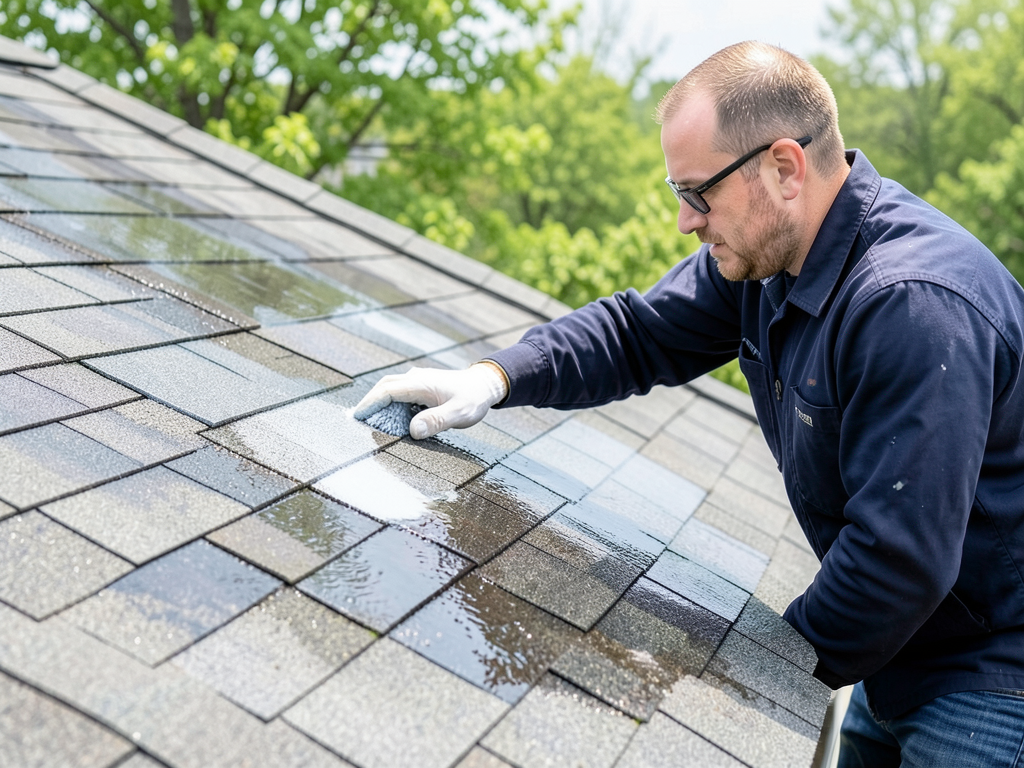
Soft washing, by contrast, uses cleaning solutions with pressure similar to a garden hose (around 100 PSI). The cleaning agents do the work, not the pressure. These solutions typically contain sodium hypochlorite (similar to pool chlorine) mixed with surfactants and water. The mixture kills algae, mold, and mildew at the cellular level, then the low-pressure rinse washes away the dead organic matter along with the pollen and dirt.
The North Carolina Department of Environmental Quality has guidelines for roof cleaning runoff, especially concerning the chemicals used. Professional soft washing companies in Charlotte use biodegradable surfactants and capture systems to prevent cleaning solutions from entering storm drains. This compliance with local environmental regulations is another reason to hire professionals rather than attempting DIY cleaning.. Read more about The Best Time of Year to Schedule Your Roof Replacement in North Carolina.
Table 1: Soft Washing vs. Pressure Washing Comparison
| Method | Pressure Level | Warranty Impact | Effectiveness | Best For |
|---|---|---|---|---|
| Soft Washing | 50-100 PSI | Maintains warranty | Kills organisms at source | Asphalt shingles |
| Pressure Washing | 1,500-3,000 PSI | Void warranty | Surface only | Concrete, metal |
DIY Roof Cleaning Safety: The Charlotte-Specific Risks
Cleaning your own roof in Charlotte comes with serious risks that many homeowners underestimate. The combination of pollen-season humidity, roof pitch, and the physical demands of the work creates dangerous conditions.
Charlotte’s pollen season coincides with the most dangerous time for roof work. Spring brings frequent afternoon thunderstorms, and the pollen itself creates a slippery surface. A roof that looks dry from the ground may be coated with a slick layer of pollen and moisture. This is especially dangerous on the 6/12 to 9/12 pitch roofs common in Charlotte’s older neighborhoods like Dilworth and Myers Park.
Beyond the slip hazard, there’s the biological risk. Mold and mildew spores become airborne during cleaning. Without proper protective equipment—including respirators, eye protection, and chemical-resistant clothing—homeowners can inhale these spores, leading to respiratory issues. The sodium hypochlorite in cleaning solutions can cause chemical burns if it contacts skin or eyes.
The physical demands are also significant. Climbing ladders while carrying equipment, working on a sloped surface, and the repetitive motion of cleaning can lead to falls, which are the leading cause of injury in DIY roof cleaning. The Consumer Product Safety Commission reports that falls from ladders account for over 300 deaths annually in the United States. Consumer Product Safety Commission.
If you decide to attempt DIY cleaning, follow these safety protocols: use a properly rated safety harness attached to a secure anchor point, work with a partner who stays on the ground, check weather forecasts to avoid working during or immediately after rain, and use a respirator rated for mold and chemical vapors. Even with these precautions, the risks often outweigh the savings.
The Professional Advantage: What Charlotte Roof Cleaning Services Include
Professional roof cleaning in Charlotte goes far beyond just spraying chemicals on your roof. A comprehensive service includes inspection, proper chemical selection, environmental compliance, and often identifies issues homeowners miss.
A professional cleaning starts with a thorough roof inspection. Technicians look for loose or damaged shingles, flashing problems around chimneys and vents, and signs of water damage. They check for proper attic ventilation, which affects how quickly algae returns. This inspection often reveals issues that, if caught early, can prevent expensive repairs later.
Professionals use calibrated equipment to mix cleaning solutions at the correct concentration. Too weak, and the algae survives; too strong, and it can damage plants or discolor siding. They also use plant protection measures like pre-wetting landscaping and covering delicate plants. After cleaning, they rinse thoroughly to remove all chemical residue.
Environmental compliance is a major advantage of professional service. Mecklenburg County has specific regulations about chemical runoff into storm drains. Professional companies use containment systems and follow protocols to ensure cleaning solutions don’t enter the watershed. This protects both the environment and the homeowner from potential fines.
Many Charlotte roofing companies offer roof cleaning as part of a maintenance package that includes gutter cleaning. This is important because pollen season also means gutter season. Those same oak tassels and pine needles that coat your roof clog your gutters, leading to water overflow that can damage your foundation and landscaping.
When to Schedule Your Charlotte Roof Cleaning
Timing is critical for effective roof cleaning in Charlotte. Clean too early, and you’ll just get recoated with pollen. Clean too late, and the algae has already taken hold.
The ideal window for roof cleaning in Charlotte is late May to early June, after the major pollen releases but before summer heat intensifies. By this time, most of the pollen has settled and been washed away by spring rains, but before the algae has had all summer to establish deep roots in your shingles.
Charlotte’s oak trees typically finish their pollen release by mid-May, while pine pollen can continue into June. The exact timing varies yearly based on weather patterns. A warm March can accelerate the season by weeks, while a cool spring can delay it. Local weather data from the National Weather Service office in Greer, South Carolina (which covers Charlotte) can help determine the optimal cleaning window.
For homes with existing algae streaks, cleaning might be needed more frequently. Once algae establishes itself, it can return within 18-24 months, even with treatment. Some Charlotte homeowners with heavy tree cover schedule cleaning every other year as preventive maintenance. Homes in more open areas might go three to four years between cleanings.. Read more about The Connection Between a Healthy Roof and the Indoor Air Quality of Your Charlotte Home.
Commercial properties often need more frequent cleaning due to larger roof areas and visibility concerns. A retail building in SouthPark with black streaks becomes an eyesore that affects customer perception. These properties might schedule annual cleaning to maintain appearance and prevent long-term damage.
The Cost Factor: Roof Cleaning vs. Replacement in Charlotte
Homeowners often hesitate at the cost of professional roof cleaning, not realizing that neglecting this maintenance can lead to premature roof replacement—a much larger expense.
Professional roof cleaning in Charlotte typically costs between $0.15 and $0.30 per square foot, depending on roof pitch, accessibility, and the severity of staining. For an average 2,000-square-foot roof, this translates to $300-$600. This might seem expensive for a cleaning service, but compare it to roof replacement costs.
A new asphalt shingle roof in Charlotte costs $5,000-$10,000 for an average home, with premium architectural shingles running even higher. If algae and pollen damage reduce your roof’s lifespan from 20 years to 12 years, you’re replacing it 40% sooner than expected. The cleaning cost becomes negligible compared to the replacement cost you avoid.
Insurance companies are increasingly aware of roof maintenance. Some policies now require documentation of regular maintenance for coverage. A roof with documented cleaning history and no signs of neglect might qualify for better rates or smoother claims processing after storm damage.
Energy efficiency is another cost factor. A clean roof reflects more heat, reducing cooling costs in Charlotte’s hot summers. The Department of Energy estimates that reflective roofing can reduce cooling energy use by 10-15%. While cleaning doesn’t make your roof reflective in the same way as cool-roof coatings, removing the dark algae does help it perform closer to its designed efficiency.
Protecting Your Investment: Roof Maintenance Beyond Cleaning
Roof cleaning is just one part of a comprehensive roof maintenance strategy for Charlotte homes. The pollen season highlights the importance of year-round attention to your roof’s condition.
Regular inspections are crucial. Charlotte’s severe weather—from summer thunderstorms to occasional winter ice—can cause damage that worsens over time. Professional inspections can identify loose shingles, damaged flashing, or ventilation issues before they lead to leaks. The National Roofing Contractors Association recommends professional inspections twice yearly, typically in spring and fall. Expert Roof Inspections for Waterfront Homes in Cornelius and Davidson.
Gutter maintenance is particularly important in Charlotte due to our tree cover. Clean gutters prevent water from backing up under shingles and causing rot. During pollen season, gutters can become completely clogged with oak tassels and pine needles within days. Consider installing gutter guards if you’re tired of frequent cleaning, though even these require occasional maintenance.
Tree management around your home affects roof health. While Charlotte’s tree canopy is one of our city’s treasures, branches that overhang your roof deposit debris and provide pathways for pests. Keep tree branches trimmed at least 10 feet from your roof to reduce debris and improve air circulation, which helps prevent moisture buildup.
Attic ventilation plays a role in roof longevity that many homeowners don’t consider. Proper ventilation prevents heat and moisture buildup that can warp shingles and create conditions favorable to algae growth. If your attic is consistently hotter than the outside air, or you notice moisture or frost on the underside of your roof deck in winter, you may need ventilation improvements.
Frequently Asked Questions
How often should I clean my roof in Charlotte?
Most Charlotte homes need professional roof cleaning every 2-3 years. Homes with heavy tree cover or existing algae problems may need annual cleaning. The best indicator is the appearance of black streaks or heavy staining.. Read more about How Heavy Rain Can Overwhelm the Internal Gutters on Your Modernist Home in Grier Heights.
Will cleaning my roof damage my landscaping?
Professional soft washing uses biodegradable solutions and includes plant protection measures. Technicians pre-wet plants and may cover delicate landscaping. DIY cleaning without these precautions can harm plants, especially with high-concentration chemicals.
Can I clean my roof myself with store-bought products?
While DIY products exist, they often require multiple applications and don’t kill algae at the root level. More importantly, roof work is dangerous, and improper technique can damage shingles or void warranties. The safety risks usually outweigh potential savings.
How long does professional roof cleaning take?
For an average home, professional cleaning takes 2-4 hours. The cleaning solution needs to dwell on the roof for 15-20 minutes to kill organisms, then gets rinsed thoroughly. Your roof will show immediate improvement, though some stains may lighten gradually over a few days.
Does roof cleaning help with energy efficiency?
Yes. Removing dark algae and organic growth allows your roof to reflect more heat. While not as effective as cool-roof coatings, a clean roof can be several degrees cooler than a stained one, potentially reducing cooling costs during Charlotte’s hot summers.

Ready to Protect Your Roof from Pollen Damage?
The yellow coating on your roof isn’t just unsightly—it’s actively working to shorten your roof’s lifespan and create conditions for expensive damage. Professional soft washing removes this threat while protecting your shingles and maintaining your warranty.
Don’t wait until you see black streaks or experience a leak. Spring is the perfect time to address pollen damage before summer heat intensifies the problem. Our trained technicians understand Charlotte’s specific environmental challenges and use methods approved by major shingle manufacturers.
Call (980) 352-5899 today to schedule your professional roof cleaning and inspection. Protect your home, preserve your investment, and enjoy a cleaner, more efficient roof this summer. Your roof works hard to protect you—return the favor with proper maintenance.
Pick up the phone and call (980) 352-5899 before the next storm hits. A clean roof isn’t just about appearance; it’s about protecting everything under it.
{
“@context”: “https://schema.org”,
“@type”: “BlogPosting”,
“headline”: “Why Your Roof Actually Needs a Spring Cleaning After the Charlotte Pollen Season”,
“description”: “Charlotte pollen damages roofs by feeding algae growth. Learn why professional soft washing protects your shingles and extends roof life in NC’s humid climate.”,
“wordCount”: 2436,
“datePublished”: “2026-05-17T10:05:00.000Z”,
“dateModified”: “2026-05-17T10:05:00.000Z”,
“inLanguage”: “en-US”,
“mainEntityOfPage”: {
“@type”: “WebPage”,
“@id”: “https://fivestarroofingcharlotte.com”
},
“publisher”: {
“@type”: “LocalBusiness”,
“name”: “Five Star Roofing Charlotte”,
“url”: “https://fivestarroofingcharlotte.com”
},
“author”: {
“@type”: “Organization”,
“name”: “Five Star Roofing Charlotte”,
“url”: “https://fivestarroofingcharlotte.com”
},
“image”: {
“@type”: “ImageObject”,
“url”: “https://fivestarroofingcharlotte.com/wp-content/uploads/2026/03/why-your-roof-actually-needs-a-spring-cleaning-aft-1.png”
}
}
{
“@context”: “https://schema.org”,
“@type”: “RoofingContractor”,
“name”: “Five Star Roofing Charlotte”,
“url”: “https://fivestarroofingcharlotte.com”,
“address”: {
“@type”: “PostalAddress”,
“addressLocality”: “Charlotte”
},
“areaServed”: {
“@type”: “City”,
“name”: “Charlotte”
}
}
{
“@context”: “https://schema.org”,
“@type”: “FAQPage”,
“mainEntity”: [
{
“@type”: “Question”,
“name”: “How often should I clean my roof in Charlotte?”,
“acceptedAnswer”: {
“@type”: “Answer”,
“text”: “Most Charlotte homes need professional roof cleaning every 2-3 years. Homes with heavy tree cover or existing algae problems may need annual cleaning. The best indicator is the appearance of black streaks or heavy staining.”
}
},
{
“@type”: “Question”,
“name”: “Will cleaning my roof damage my landscaping?”,
“acceptedAnswer”: {
“@type”: “Answer”,
“text”: “Professional soft washing uses biodegradable solutions and includes plant protection measures. Technicians pre-wet plants and may cover delicate landscaping. DIY cleaning without these precautions can harm plants, especially with high-concentration chemicals.”
}
},
{
“@type”: “Question”,
“name”: “Can I clean my roof myself with store-bought products?”,
“acceptedAnswer”: {
“@type”: “Answer”,
“text”: “While DIY products exist, they often require multiple applications and don’t kill algae at the root level. More importantly, roof work is dangerous, and improper technique can damage shingles or void warranties. The safety risks usually outweigh potential savings.”
}
},
{
“@type”: “Question”,
“name”: “How long does professional roof cleaning take?”,
“acceptedAnswer”: {
“@type”: “Answer”,
“text”: “For an average home, professional cleaning takes 2-4 hours. The cleaning solution needs to dwell on the roof for 15-20 minutes to kill organisms, then gets rinsed thoroughly. Your roof will show immediate improvement, though some stains may lighten gradually over a few days.”
}
},
{
“@type”: “Question”,
“name”: “Does roof cleaning help with energy efficiency?”,
“acceptedAnswer”: {
“@type”: “Answer”,
“text”: “Yes. Removing dark algae and organic growth allows your roof to reflect more heat. While not as effective as cool-roof coatings, a clean roof can be several degrees cooler than a stained one, potentially reducing cooling costs during Charlotte’s hot summers.”
}
},
{
“@type”: “Question”,
“name”: “Ready to Protect Your Roof from Pollen Damage?”,
“acceptedAnswer”: {
“@type”: “Answer”,
“text”: “The yellow coating on your roof isn’t just unsightly—it’s actively working to shorten your roof’s lifespan and create conditions for expensive damage. Professional soft washing removes this threat while protecting your shingles and maintaining your warranty.”
}
}
]
}
{
“@context”: “https://schema.org”,
“@type”: “BreadcrumbList”,
“itemListElement”: [
{
“@type”: “ListItem”,
“position”: 1,
“name”: “Home”,
“item”: “https://fivestarroofingcharlotte.com”
},
{
“@type”: “ListItem”,
“position”: 2,
“name”: “Blog”,
“item”: “https://fivestarroofingcharlotte.com/blog”
},
{
“@type”: “ListItem”,
“position”: 3,
“name”: “Why Your Roof Actually Needs a Spring Cleaning After the Charlotte Pollen Season”
}
]
}
{
“@context”: “https://schema.org”,
“@type”: “Service”,
“serviceType”: “Roofing”,
“provider”: {
“@type”: “LocalBusiness”,
“name”: “Five Star Roofing Charlotte”,
“url”: “https://fivestarroofingcharlotte.com”
},
“areaServed”: {
“@type”: “City”,
“name”: “Charlotte”
},
“description”: “Charlotte pollen damages roofs by feeding algae growth. Learn why professional soft washing protects your shingles and extends roof life in NC’s humid climate.”
}