Preserving the Character of Your Elizabeth Home with Period-Correct Roofing Materials
Your Elizabeth home tells a story through its architecture. Every slate tile, copper flashing, and cedar shake reflects the craftsmanship of another era. But when your historic roof shows signs of wear, you face a critical decision: preserve its authentic character or compromise with modern materials that clash with your home’s heritage. Specialized Slate and Tile Roofing Services for Historic Homes in Myers Park.
Historic Elizabeth homes built between 1900 and 1940 feature distinctive roofing materials that have weathered nearly a century of Charlotte’s climate. The humid summers, occasional ice storms, and intense UV exposure create unique challenges for these aging roofs. Understanding the specific requirements for period-correct restoration ensures your home maintains its architectural integrity while meeting modern performance standards. Charlotte Historic District Commission.
Navigating the Charlotte Historic District Commission guidelines requires specialized knowledge of both historic preservation and current building codes. The wrong approach can lead to costly mistakes, permit denials, or even forced removal of non-compliant materials. This guide walks you through everything you need to know about preserving your Elizabeth home’s roofing character with authentic materials and techniques. Preservation North Carolina.
Understanding Elizabeth’s Historic Roofing Materials
Elizabeth’s architectural heritage features three primary roofing materials from the early 20th century: natural slate, copper flashing systems, and cedar shake shingles. Each material requires specific expertise for proper restoration and maintenance. Expert Roof Inspections for Waterfront Homes in Cornelius and Davidson.
Natural slate roofs dominate many Elizabeth homes, particularly those built between 1910 and 1930. These Vermont or Buckingham slate tiles were selected for their durability and aesthetic appeal. A single slate roof can last 100+ years when properly maintained, but the original installation techniques matter as much as the material itself.. Read more about Understanding the Difference Between Manufacturer and Workmanship Warranties on Your Charlotte Roof.
Copper flashing and gutters were standard in Elizabeth’s construction because they develop a protective patina over time and resist corrosion in Charlotte’s humid climate. The original copper systems often remain functional but may need careful restoration rather than replacement. Getting Your Charlotte Roof Repaired After a Hail Storm — A Local Guide to Insurance Claims.
Cedar shake shingles appear on Craftsman-style homes throughout Elizabeth, offering a warm, natural appearance that ages gracefully. These hand-split shakes require specific preservation techniques to prevent premature deterioration from moisture and insects. The Best Shingles to Withstand the Charlotte Summer Heat and Humidity.
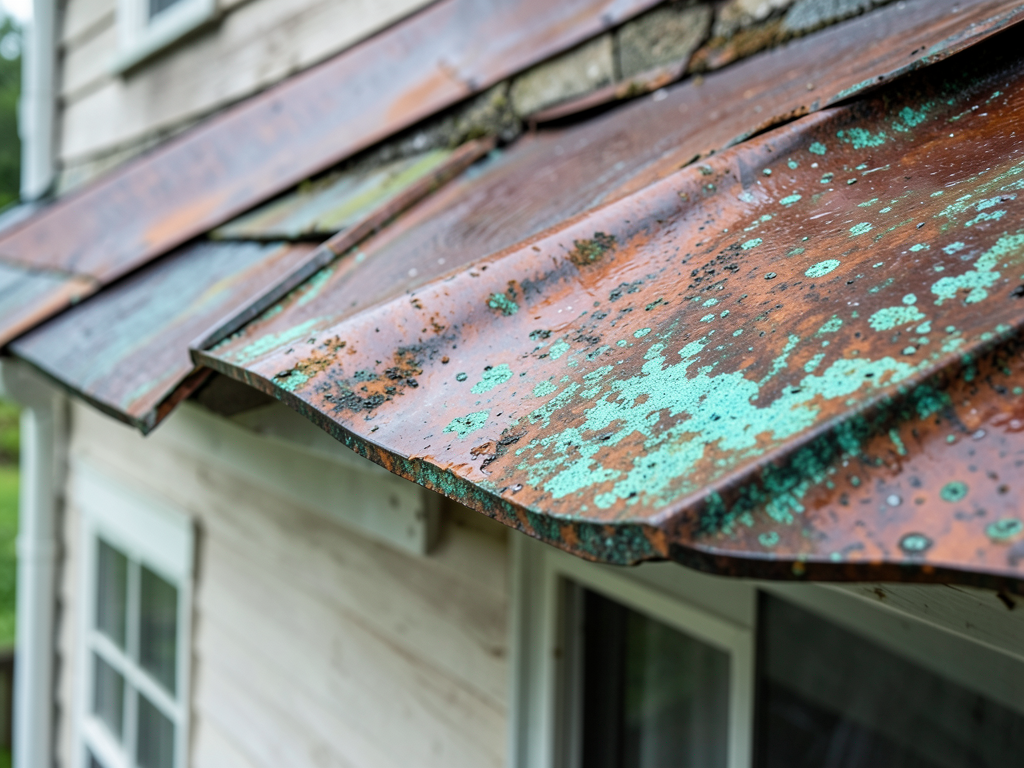
Close-up of original copper flashing on a 1920s Elizabeth home, showing the characteristic verdigris patina that develops over decades of exposure to Charlotte’s humid climate.
Navigating Charlotte Historic District Commission Guidelines
The Charlotte Historic District Commission enforces strict guidelines for exterior modifications in Elizabeth. Understanding these requirements before starting your roofing project prevents costly delays and ensures approval.. Read more about What to Know Before Replacing Wood Shake Shingles in Quail Hollow.
According to Mecklenburg County Code Section 9-14.2-20, any exterior modification visible from a public right-of-way requires HDLC approval. This includes complete roof replacements, significant repairs affecting more than 25% of the roof surface, or changes to roofing materials.
The approval process typically takes 4-6 weeks and requires detailed submittal drawings showing existing conditions and proposed work. The commission evaluates proposals based on the Secretary of the Interior’s Standards for Rehabilitation, which prioritize preserving historic character over modern convenience.
Material matching presents one of the biggest challenges in historic restoration. The commission requires that replacement materials match the original in size, shape, color, and texture. This means sourcing authentic slate from the same quarries used in the 1920s or finding salvaged materials from demolition sites.
Modern alternatives like synthetic slate or fiberglass shingles are generally prohibited for visible roof areas in Elizabeth’s historic district. The commission views these materials as incompatible with the neighborhood’s architectural character.
Material-Specific Restoration Techniques
Natural Slate Roof Preservation
Natural slate restoration requires understanding the original installation patterns and fastening methods. Early 20th century slate roofs used copper nails and specific headlap measurements that modern installations often overlook.
The diagnostic process begins with a thorough inspection using moisture meters and thermal imaging to identify delamination and water infiltration patterns. Slate that sounds hollow when tapped indicates delamination and requires replacement.
Replacement slate must match the original in thickness, typically 1/4 inch for standard roofing applications. Sourcing matching slate often involves contacting specialty quarries or architectural salvage companies that maintain inventories of historic materials.
Flashing details around chimneys and valleys require particular attention. Original copper flashing was often installed in larger sheets with fewer seams than modern practice, creating better water shedding characteristics over time.
Copper System Restoration
Copper roofing components develop a protective patina that actually extends their lifespan. The characteristic blue-green coloration results from copper carbonate formation, which protects the underlying metal from further corrosion.
Restoration focuses on repairing damaged sections rather than wholesale replacement. Skilled craftsmen can solder new copper to existing patinated material, creating seamless repairs that blend with the surrounding patina.
Gutter systems often require cleaning and resealing rather than replacement. Original half-round copper gutters were designed with specific slope calculations that modern replacements frequently misunderstand.
Cedar Shake Preservation
Cedar shake roofs require different preservation approaches than slate or copper. The natural wood material is susceptible to moisture damage, insect infestation, and UV degradation.
Preservation begins with treating the shakes with borate-based preservatives that penetrate the wood without creating a surface film. This approach maintains the natural appearance while providing protection against decay.
Shakes showing signs of curling or splitting can often be flipped and reinstalled with the weathered side down. This technique extends the roof’s life while maintaining the authentic weathered appearance.
Proper ventilation proves critical for cedar shake longevity. Original installations often included specific soffit and ridge vent configurations that modern replacements sometimes eliminate.
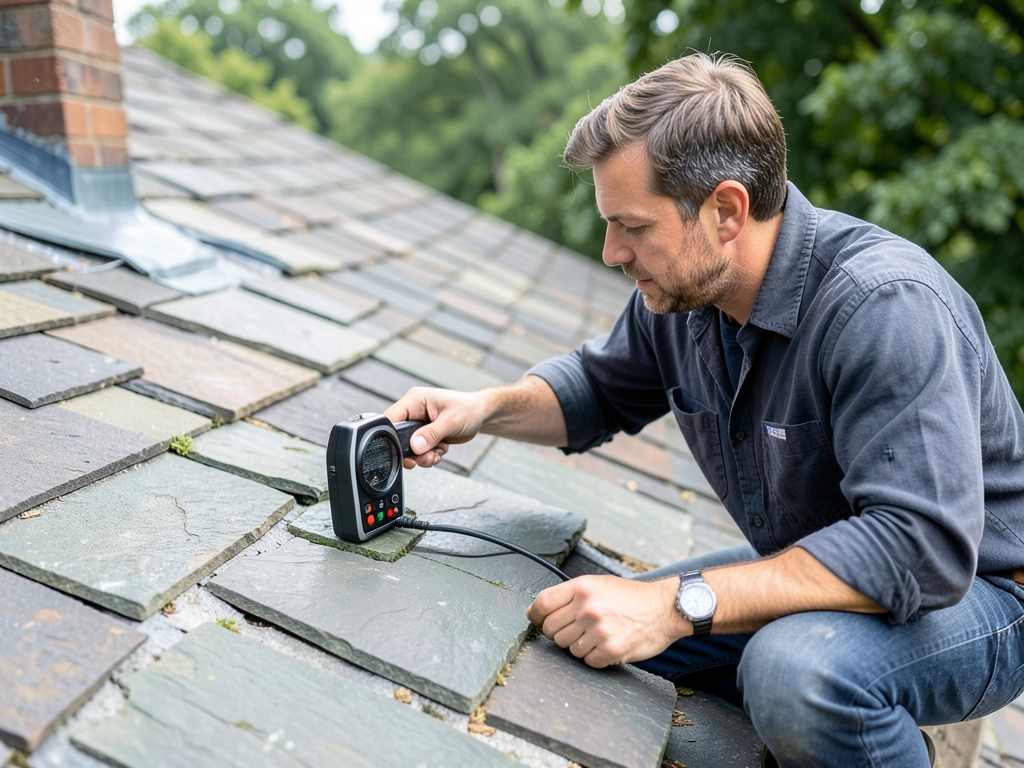
Technician using a moisture meter to test slate integrity, demonstrating the diagnostic approach required for authentic historic roof restoration in Charlotte’s humid climate.
The Restoration vs. Replacement Decision
Many Elizabeth homeowners assume their aging roof requires complete replacement when targeted restoration could preserve the original materials and character. Understanding when to restore versus replace saves money and maintains authenticity. Why More Huntersville Homeowners Are Switching to Standing Seam Metal Roofs.
Restoration becomes the preferred option when 70% or more of the original material remains structurally sound. This includes slate tiles that remain intact but need individual replacement, copper flashing with minor corrosion, or cedar shakes that can be treated and reinstalled.
Complete replacement becomes necessary when structural damage extends beyond the roofing materials themselves. This includes rotted decking, compromised support structures, or widespread material failure affecting more than 50% of the roof surface.
The cost differential between restoration and replacement can be significant. Restoration typically costs 60-70% of complete replacement while preserving the home’s historic character and reducing landfill waste.
Insurance Considerations for Historic Roofs
Insurance companies often struggle to value historic roofing materials appropriately. Standard policies may not cover the full cost of authentic restoration using period-correct materials and techniques.
Specialized historic preservation insurance riders can provide coverage for authentic restoration costs. These policies recognize that replacing original slate with modern materials would actually decrease the home’s value and historic significance.. Read more about Fixing or Replacing Leaky Skylights in Plaza Midwood Bungalows.
Documentation becomes crucial for insurance claims. Maintaining records of original materials, restoration work, and HDLC approvals helps establish the roof’s historic value and ensures appropriate coverage limits.
Some insurance companies offer premium discounts for well-maintained historic roofs because their durability and craftsmanship often exceed modern construction standards.
Local Climate Impact on Historic Materials
Charlotte’s climate creates specific challenges for historic roofing materials that differ from their original installation environments. Understanding these local factors helps predict maintenance needs and restoration approaches.
High humidity accelerates copper patination but also promotes algae growth on all roofing materials. The Gloeocapsa magma algae that appears as black streaks on roofs is particularly problematic in Elizabeth’s tree-lined streets.
Summer thunderstorms with wind speeds exceeding 60 mph can dislodge poorly secured slate tiles. Original installations used specific nailing patterns and headlap measurements designed for these conditions, but later modifications sometimes compromise these details.
Occasional ice storms create freeze-thaw cycles that can crack slate with existing microfractures. The clay soil common in Elizabeth expands when saturated, potentially affecting roof structure stability over time.
Cost Factors in Period-Correct Restoration
Historic roof restoration costs vary significantly based on material availability, labor expertise, and project complexity. Understanding these factors helps homeowners budget appropriately for authentic preservation.
Material sourcing represents the largest cost variable. Salvaged slate from demolition sites costs 30-40% less than new slate from specialty quarries, but availability fluctuates based on demolition schedules in other historic districts.
Labor expertise significantly impacts project costs. Craftsmen specializing in historic restoration typically charge 25-35% more than standard roofing contractors, but their expertise prevents costly mistakes and ensures HDLC approval.
Project complexity affects timelines and costs. Complex roof geometries with multiple dormers, valleys, and chimneys require more time and expertise than simple gable roofs.
Permit and inspection fees add $2,000-3,000 to most historic restoration projects in Elizabeth. These costs cover HDLC review, building department permits, and required inspections throughout the restoration process.
Finding Qualified Historic Roofing Specialists
Not all roofing contractors possess the expertise required for historic restoration. Finding qualified specialists requires understanding specific credentials and experience indicators.
Look for contractors with Preservation North Carolina membership or certification from the National Roofing Contractors Association’s historic restoration program. These credentials indicate specialized training in historic preservation techniques.
Request portfolios showing completed historic restoration projects in Charlotte’s historic districts. Experience with Elizabeth’s specific architectural styles and materials proves more valuable than general roofing experience.
Verify HDLC approval history. Contractors familiar with the commission’s requirements can navigate the approval process more efficiently and avoid common submission mistakes.
Ask about material sourcing capabilities. Qualified historic specialists maintain relationships with specialty quarries, salvage companies, and suppliers of period-correct materials.
Maintenance Strategies for Preserved Roofs
Even expertly restored historic roofs require ongoing maintenance to preserve their character and functionality. Understanding proper maintenance prevents premature deterioration and costly repairs.
Annual inspections by qualified specialists can identify potential issues before they become major problems. These inspections should include moisture testing, material condition assessment, and evaluation of flashing and gutter systems.
Gutter cleaning becomes particularly important for historic roofs. Original copper gutters were designed with specific flow rates that can be compromised by debris accumulation, leading to water backup and material damage.
Algae and moss removal requires gentle approaches that won’t damage historic materials. Pressure washing, while effective for modern roofs, can destroy the protective patina on copper and dislodge slate tiles.
Tree maintenance around historic homes prevents damage from falling branches and reduces debris accumulation on roof surfaces. However, maintaining the mature tree canopy that contributes to Elizabeth’s character requires balancing protection with preservation.
Historic Elizabeth home showing period-correct restoration with original slate tiles, copper flashing, and cedar shake details, demonstrating authentic preservation techniques that maintain architectural integrity.
Frequently Asked Questions
How long does HDLC approval take for a historic roof restoration?
HDLC approval typically takes 4-6 weeks from submission to decision. Complex projects or those requiring additional documentation may take longer. Starting the approval process early prevents project delays.
Can I use synthetic materials that look like slate or cedar for my historic roof?
The HDLC generally prohibits synthetic materials for visible roof areas in historic districts. The commission prioritizes authentic materials that match the original construction, even if they require more maintenance or have higher upfront costs.
How much does historic roof restoration cost compared to standard replacement?
Historic restoration typically costs 60-70% of complete replacement when the original materials remain salvageable. However, sourcing authentic materials and specialized labor can increase costs by 20-30% compared to standard roofing projects.
Will my insurance cover the cost of authentic historic materials?
Standard policies may not fully cover authentic historic materials. Specialized historic preservation riders provide appropriate coverage for period-correct restoration costs, recognizing that authentic materials maintain the home’s historic and market value.
How often should a historic roof be inspected?
Historic roofs should receive professional inspection annually, with additional inspections after severe weather events. Regular maintenance prevents minor issues from becoming major problems and extends the roof’s functional lifespan.
Protecting Your Elizabeth Home’s Legacy
Your Elizabeth home represents more than just shelter. It embodies the craftsmanship, materials, and architectural vision of another era. Preserving its roofing character honors that legacy while ensuring continued protection for generations to come.
The decision to restore rather than replace reflects a commitment to historic preservation that extends beyond individual property lines. Each preserved home contributes to Elizabeth’s distinctive character and property values throughout the neighborhood.
Understanding the technical requirements, regulatory processes, and maintenance needs for historic roofing empowers you to make informed decisions about your home’s preservation. The investment in authentic restoration pays dividends through preserved character, maintained property values, and the satisfaction of honoring architectural heritage.
Ready to preserve your Elizabeth home’s authentic character with period-correct roofing materials? Call (980) 352-5899 today to schedule your historic roof assessment. Our specialists understand the unique requirements of Elizabeth’s historic district and can guide you through the entire restoration process, from HDLC approval to final inspection.
Don’t wait until minor issues become major problems. Pick up the phone and call (980) 352-5899 before the next storm hits. Your historic home deserves expert care that preserves its character while ensuring lasting protection.
You may also find this helpful. The Hidden Danger of Failed Chimney Flashing in Older Cotswold Homes.
{
“@context”: “https://schema.org”,
“@type”: “BlogPosting”,
“headline”: “Preserving the Character of Your Elizabeth Home with Period-Correct Roofing Materials”,
“description”: “Restore your historic Elizabeth home with authentic slate, copper, and cedar roofing. Navigate CHDC guidelines and preserve architectural integrity with expert craftsmanship.”,
“wordCount”: 2195,
“datePublished”: “2026-03-09T11:39:00.000Z”,
“dateModified”: “2026-03-09T11:39:00.000Z”,
“inLanguage”: “en-US”,
“mainEntityOfPage”: {
“@type”: “WebPage”,
“@id”: “https://fivestarroofingcharlotte.com”
},
“publisher”: {
“@type”: “LocalBusiness”,
“name”: “Five Star Roofing Charlotte”,
“url”: “https://fivestarroofingcharlotte.com”
},
“author”: {
“@type”: “Organization”,
“name”: “Five Star Roofing Charlotte”,
“url”: “https://fivestarroofingcharlotte.com”
},
“image”: {
“@type”: “ImageObject”,
“url”: “https://fivestarroofingcharlotte.com/wp-content/uploads/2026/03/preserving-the-character-of-your-elizabeth-home-wi-1.png”
}
}
{
“@context”: “https://schema.org”,
“@type”: “RoofingContractor”,
“name”: “Five Star Roofing Charlotte”,
“url”: “https://fivestarroofingcharlotte.com”,
“address”: {
“@type”: “PostalAddress”,
“addressLocality”: “Charlotte”
},
“areaServed”: {
“@type”: “City”,
“name”: “Charlotte”
}
}
{
“@context”: “https://schema.org”,
“@type”: “FAQPage”,
“mainEntity”: [
{
“@type”: “Question”,
“name”: “How long does HDLC approval take for a historic roof restoration?”,
“acceptedAnswer”: {
“@type”: “Answer”,
“text”: “HDLC approval typically takes 4-6 weeks from submission to decision. Complex projects or those requiring additional documentation may take longer. Starting the approval process early prevents project delays.”
}
},
{
“@type”: “Question”,
“name”: “Can I use synthetic materials that look like slate or cedar for my historic roof?”,
“acceptedAnswer”: {
“@type”: “Answer”,
“text”: “The HDLC generally prohibits synthetic materials for visible roof areas in historic districts. The commission prioritizes authentic materials that match the original construction, even if they require more maintenance or have higher upfront costs.”
}
},
{
“@type”: “Question”,
“name”: “How much does historic roof restoration cost compared to standard replacement?”,
“acceptedAnswer”: {
“@type”: “Answer”,
“text”: “Historic restoration typically costs 60-70% of complete replacement when the original materials remain salvageable. However, sourcing authentic materials and specialized labor can increase costs by 20-30% compared to standard roofing projects.”
}
},
{
“@type”: “Question”,
“name”: “Will my insurance cover the cost of authentic historic materials?”,
“acceptedAnswer”: {
“@type”: “Answer”,
“text”: “Standard policies may not fully cover authentic historic materials. Specialized historic preservation riders provide appropriate coverage for period-correct restoration costs, recognizing that authentic materials maintain the home’s historic and market value.”
}
},
{
“@type”: “Question”,
“name”: “How often should a historic roof be inspected?”,
“acceptedAnswer”: {
“@type”: “Answer”,
“text”: “Historic roofs should receive professional inspection annually, with additional inspections after severe weather events. Regular maintenance prevents minor issues from becoming major problems and extends the roof’s functional lifespan.”
}
}
]
}
{
“@context”: “https://schema.org”,
“@type”: “BreadcrumbList”,
“itemListElement”: [
{
“@type”: “ListItem”,
“position”: 1,
“name”: “Home”,
“item”: “https://fivestarroofingcharlotte.com”
},
{
“@type”: “ListItem”,
“position”: 2,
“name”: “Blog”,
“item”: “https://fivestarroofingcharlotte.com/blog”
},
{
“@type”: “ListItem”,
“position”: 3,
“name”: “Preserving the Character of Your Elizabeth Home with Period-Correct Roofing Materials”
}
]
}
{
“@context”: “https://schema.org”,
“@type”: “Service”,
“serviceType”: “Roofing”,
“provider”: {
“@type”: “LocalBusiness”,
“name”: “Five Star Roofing Charlotte”,
“url”: “https://fivestarroofingcharlotte.com”
},
“areaServed”: {
“@type”: “City”,
“name”: “Charlotte”
},
“description”: “Restore your historic Elizabeth home with authentic slate, copper, and cedar roofing. Navigate CHDC guidelines and preserve architectural integrity with expert craftsmanship.”
}